Why My Hair Was Falling Out? The Workout Mistakes I Didn’t See Coming
I used to think sweating more meant healthier hair—turns out, I was dead wrong. After months of intense workouts and worsening hair thinning, I dug into what was really going on. Turns out, how you move your body can seriously impact your scalp and strands. This isn’t just about hygiene—it’s about habits, timing, and hidden stressors. If you’re exercising to feel great but noticing more hair in your brush, this one’s for you. What I discovered wasn’t in any fitness magazine or wellness influencer post. It was buried in medical journals, dermatology consultations, and quiet conversations with other women who had silently endured the same confusion. Hair loss linked to exercise? It sounds counterintuitive, but the truth is, physical activity—especially when unbalanced—can trigger biological responses that quietly compromise hair health. This article walks through the science, the overlooked habits, and the practical steps that helped me reclaim not just my hair, but a more thoughtful, sustainable approach to fitness.
The Shocking Link Between Exercise and Hair Health
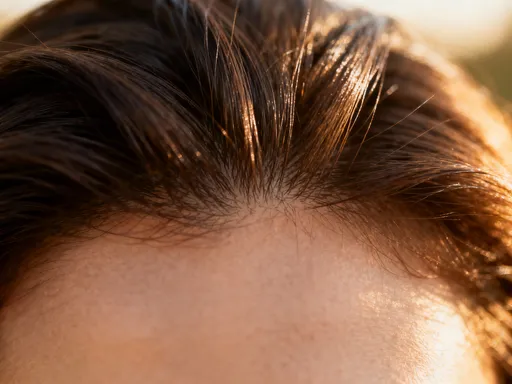
For months, I celebrated every drop of sweat, believing that the more I pushed, the healthier I was becoming. My hair, however, told a different story. I began noticing more strands on my pillow, in the shower drain, and tangled in my brush. At first, I blamed aging or a change in shampoo. But when the part in my hair widened slightly, I knew something deeper was happening. After consulting a dermatologist and reviewing blood work, I learned about a condition called telogen effluvium—a temporary but distressing form of hair shedding often triggered by physical stress. Intense or prolonged exercise, especially without adequate recovery, can push a significant number of hair follicles into the resting (telogen) phase prematurely. This means that instead of growing, those hairs simply fall out weeks later, often catching people off guard because the trigger happened long before the visible loss.
The key player in this process is cortisol, the body’s primary stress hormone. While cortisol is essential for energy regulation and alertness, chronically elevated levels—common in overtraining—can disrupt the delicate balance of hormones that support hair growth. Cortisol interferes with the production of proteins necessary for strong hair shafts and can even shrink hair follicles over time. Additionally, excessive exercise can lead to micro-inflammation across the body, including the scalp. This low-grade inflammation impairs blood flow and nutrient delivery to follicles, weakening them from the root. It was a wake-up call to realize that my dedication to fitness had unknowingly crossed into a zone of physical stress that my body, and my hair, could not sustain.
What made this discovery even more unsettling was that none of my lifestyle changes—diet, sleep, or haircare—had shifted dramatically. My genetics didn’t suggest early thinning, and I wasn’t experiencing other medical conditions. The only variable was my workout routine: five to six high-intensity sessions per week, minimal rest days, and little attention to recovery. It wasn’t vanity that drove me to investigate—it was concern. And once I understood the connection, I knew I had to make changes not to abandon fitness, but to practice it in a way that truly supported my overall health, including my hair.
My Top 3 Workout Habits That Damaged My Hair
Looking back, three specific habits stood out as silent contributors to my hair thinning. The first was skipping post-gym cleansing. I often left sweat sitting on my scalp for hours after a workout, thinking a full shampoo wasn’t necessary unless I’d used styling products. But sweat isn’t just water—it contains salt, urea, and natural oils that, when left on the scalp, can mix with bacteria and lead to irritation and inflammation. Over time, this environment weakens the hair follicle, making strands more prone to breakage and shedding. Dermatologists refer to this as scalp dermatitis, a condition that can silently progress without obvious itching or redness, especially in people with thicker or textured hair where symptoms are harder to spot.
The second habit was wearing tight ponytails during cardio. I liked the neatness and practicality, but I didn’t realize I was putting constant tension on the hairline. This practice, known as traction alopecia, occurs when hair is pulled too tightly over time, damaging the follicles along the temples and forehead. Early signs include thinning at the edges and small bumps along the hairline. While often associated with cultural hairstyles, it’s increasingly common among fitness enthusiasts who rely on tight styles for long workouts. I began noticing a slight recession near my temples—something I initially dismissed as shadowing or lighting. Only after reading about traction alopecia did I connect the dots and realize that my favorite high ponytail was doing more harm than good.
The third and most insidious habit was overdoing high-intensity interval training (HIIT). While these workouts are praised for efficiency and fat burning, doing them too frequently without rest can create chronic physiological stress. The body responds by releasing cortisol and reducing non-essential functions—including hair growth—to prioritize survival mechanisms. I had been doing HIIT four to five times a week, believing more intensity equaled better results. But my body was in constant ‘fight or flight’ mode, with little time for repair and regeneration. When I finally reduced the frequency and incorporated more low-impact days, I noticed not only improved energy and sleep but also a gradual decrease in hair shedding within weeks. These small shifts didn’t compromise my fitness goals—they enhanced them by bringing balance back into my routine.
The Right Way to Sweat Without Sacrificing Your Hair
Exercise doesn’t have to be the enemy of healthy hair—in fact, when done mindfully, it can be one of its greatest allies. The key lies in timing, intensity, and recovery. Research suggests that moderate exercise—such as brisk walking, cycling, or light strength training—three to five times a week supports hormonal balance and circulation without overtaxing the body. These activities promote healthy blood flow to the scalp, delivering oxygen and nutrients essential for strong, resilient hair. In contrast, excessive high-intensity workouts without adequate rest can tip the body into a state of chronic stress, undermining those same benefits.
Protective styling during workouts is another crucial factor. Instead of tight ponytails or buns, opting for loose braids, low twists, or using soft, sweat-absorbing headbands can reduce tension on the hairline while keeping hair out of the face. I now use a wide, fabric-covered headband that wicks moisture away without pressing too hard on my scalp. These small adjustments prevent friction and pulling, preserving the integrity of delicate hair strands and follicles. Additionally, choosing breathable, moisture-wicking fabrics for workout clothes—especially hats or caps—helps minimize sweat buildup and reduces the risk of scalp irritation.
Post-exercise care is equally important. While a full shampoo isn’t always necessary after every workout, rinsing the scalp with lukewarm water helps remove sweat and salt residue. If showering isn’t possible, a no-rinse scalp mist with soothing ingredients like aloe vera or witch hazel can cleanse and refresh without stripping natural oils. I keep a travel-sized spray in my gym bag for days when I’m heading straight to errands or meetings. This simple step has made a noticeable difference in how my scalp feels and how my hair responds over time. By aligning my routine with my body’s needs, I’ve found a sustainable way to stay active without compromising my hair health.
What No One Tells You About Scalp Health and Movement
One of the most overlooked aspects of hair wellness is the role of blood circulation. The scalp, like any other part of the body, relies on a steady supply of oxygenated blood to nourish hair follicles. Moderate physical activity—such as yoga, walking, or swimming—naturally enhances circulation, promoting a healthier scalp environment. Unlike high-intensity workouts that can flood the body with stress hormones, these gentler forms of movement support relaxation and balance, which in turn benefits hair growth. In fact, some studies suggest that practices like yoga and tai chi, which combine movement with breath control, may help regulate cortisol levels and improve overall hormonal harmony.
What’s less commonly discussed is how different types of exercise affect the scalp at a microscopic level. While intense training can temporarily restrict blood flow due to vasoconstriction (narrowing of blood vessels), low-impact activities encourage vasodilation, allowing more nutrients and oxygen to reach the follicles. This subtle but significant difference explains why someone might feel fitter yet experience thinner hair—because the body’s resources are being redirected away from non-essential functions. I started incorporating 30-minute walks and restorative yoga sessions into my weekly schedule, replacing one or two HIIT classes. Within a few weeks, I noticed not only less hair fall but also a healthier shine and improved texture.
Finding your “hair-friendly” fitness sweet spot means listening to your body and adjusting based on how you feel, not just how you look. It’s about recognizing that wellness is holistic—your hair reflects your internal state as much as your energy levels, sleep quality, and mood. For many women in their 30s to 50s, this stage of life already comes with hormonal shifts, stress, and changing metabolic rates. Adding unbalanced exercise into the mix can amplify these challenges. By choosing movement that supports rather than strains the body, you create the internal conditions where hair can thrive. It’s not about doing less—it’s about moving with intention and awareness.
Hydration, Hormones, and Hidden Triggers
Hydration plays a surprisingly powerful role in hair health, especially for those who exercise regularly. When the body is dehydrated, the scalp produces less sebum—the natural oil that protects and moisturizes hair. This can lead to dryness, brittleness, and increased breakage. At the same time, dehydration affects blood volume and circulation, reducing the efficiency of nutrient delivery to hair follicles. I used to drink water only when I felt thirsty, but after learning how crucial consistent hydration is, I started carrying a reusable bottle and set hourly reminders. Within days, my scalp felt less tight, and my hair appeared more flexible and less prone to snapping.
Hormonal shifts are another hidden trigger linked to both exercise and hair loss. Intense training can influence the thyroid gland, which regulates metabolism, energy, and hair growth cycles. Overtraining has been associated with subclinical hypothyroidism in some women, where thyroid function slows without showing up on standard tests. Additionally, androgen levels—male hormones present in all women—can rise under chronic stress, leading to a pattern of thinning similar to genetic hair loss. I didn’t realize my fatigue, irregular periods, and hair shedding were connected until my doctor ordered a full hormone panel. The results showed mild imbalances that, while not severe, were enough to affect my hair.
Other warning signs that your body may be overstressed include trouble sleeping, persistent fatigue, mood swings, and changes in appetite. These symptoms often appear before visible hair loss, serving as early signals that your routine may need adjustment. Tracking how you feel—not just your workout metrics—can help you catch imbalances before they escalate. I started journaling my energy levels, sleep quality, and hair shedding weekly. This simple practice gave me insight into patterns I hadn’t noticed before, such as increased shedding after particularly grueling weeks. By paying attention to these cues, I was able to make proactive changes rather than reacting after the damage was done.
My Simple 4-Step Post-Workout Hair Routine That Works
After months of trial and error, I developed a post-workout hair routine that’s both effective and easy to maintain. Step one is cooling down before touching my hair. I take five to ten minutes to lower my heart rate and let my body temperature normalize. This prevents sudden changes in blood flow that could worsen scalp sensitivity. It also gives me time to hydrate and prepare for the next steps without rushing.
Step two is rinsing. If I’m at home, I use lukewarm water to gently cleanse my scalp, massaging with my fingertips to remove sweat and debris. If I’m not able to shower, I use a no-rinse scalp mist that contains a mild cleanser and soothing ingredients. This step is essential for preventing buildup and inflammation. I avoid hot water, which can strip natural oils and irritate the scalp, and I never scrub with my nails, which can cause micro-tears.
Step three is gentle detangling. I use a wide-tooth comb, starting from the ends and working my way up to the roots. This minimizes breakage and prevents pulling on wet, vulnerable hair. I apply a lightweight leave-in conditioner if my hair feels dry, focusing on the mid-lengths and ends. For curly or textured hair, this step is even more important, as tangling can lead to significant shedding if not handled carefully.
Step four is moisturizing without clogging pores. I apply a non-comedogenic scalp serum with ingredients like niacinamide or rosemary extract, which support follicle health without weighing hair down. I avoid heavy oils or waxes that can block pores and trap sweat. My go-to products are simple, fragrance-free, and dermatologist-tested—nothing extreme or expensive. This routine takes less than ten minutes but has made a lasting difference in the strength, thickness, and appearance of my hair.
When to Pause and Seek Expert Help
Some hair shedding after exercise is normal—everyone loses 50 to 100 strands a day as part of the natural cycle. But there are warning signs that indicate it’s time to pause and seek professional guidance. These include patchy hair loss, slow or no regrowth, visible scalp changes like redness or scaling, and sudden thinning that doesn’t improve after adjusting your routine. I waited too long to see a specialist, thinking it would resolve on its own. In hindsight, early intervention could have shortened the recovery period.
Blood tests are a critical tool in identifying underlying causes. Common deficiencies linked to hair loss include iron (especially ferritin levels), vitamin D, zinc, and B vitamins. Hormone panels can reveal imbalances in thyroid, cortisol, or androgens that aren’t apparent through symptoms alone. My ferritin level was on the lower end of normal—enough to support basic function but not optimal for hair growth. With targeted supplementation and dietary changes, I saw improvement within a few months.
Consulting a dermatologist or trichologist—specialists in skin and hair health—can provide clarity and a personalized plan. They can perform scalp examinations, analyze hair density, and recommend treatments backed by science. While over-the-counter products can help, they’re not a substitute for professional diagnosis. I learned that self-treating with random serums or supplements without knowing the root cause was ineffective and sometimes counterproductive. Balancing self-care with expert guidance ensures that you’re addressing the real issue, not just the symptoms.
Hair loss is deeply personal, especially for women who associate thick, healthy hair with vitality and confidence. But it’s also a signal—one that shouldn’t be ignored. By listening to my body, adjusting my fitness habits, and seeking support when needed, I regained not only more hair but also a deeper understanding of what true wellness means. It’s not about perfection, but about balance, awareness, and respect for the body’s limits. Your hair is part of your story. Treat it with the care it deserves.